Ushakaalam Naam Ezhunnelkkuka
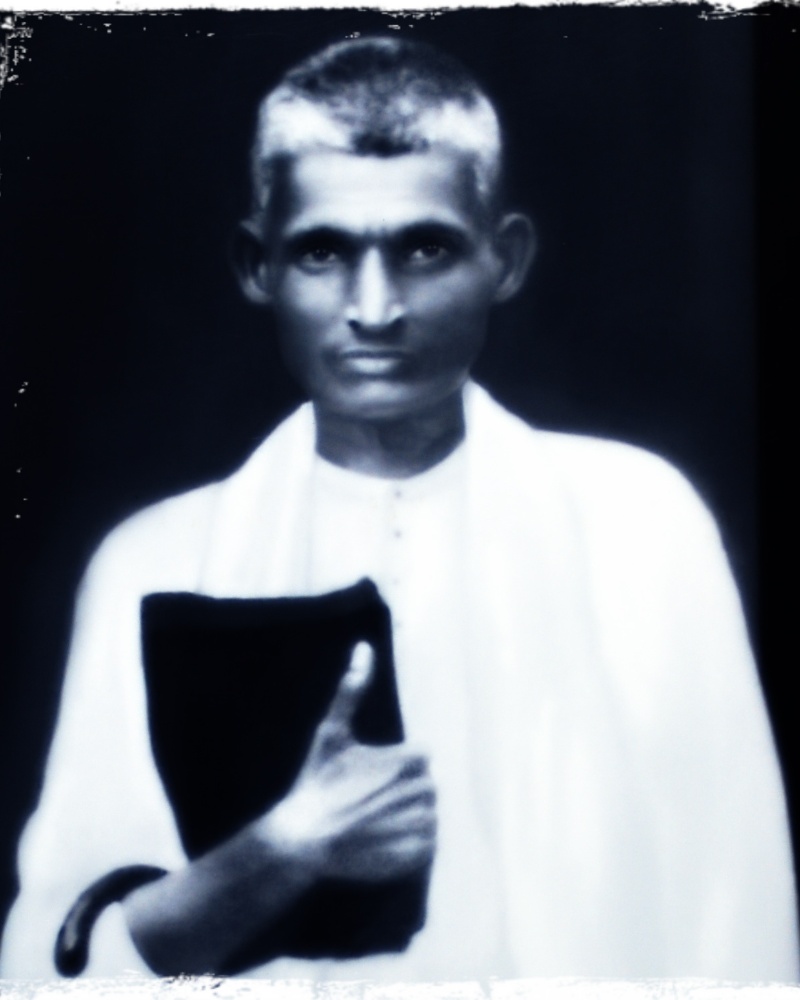
The physical world is never more quiet, yet spiritually more alive, than in the hour just before the dawn. For Sadhu Kochukunju Upadeshi, this sacred window between three and four in the morning was the anchor of his entire life. Circa 1915, amidst the rolling hills and morning mists of central Travancore in Kerala, Kochukunju would routinely wake while the rest of the world was fast asleep. His life was heavily marked by the physical scars of poverty, the deep grief of burying his young children, and the exhausting weight of barefoot travel. Yet, it was in these silent, chilly hours before sunrise that he found a sweet sanctuary where the troubles of the earth grew strangely dim.
One morning, sitting in the absolute quietness of his modest home, the sheer contrast between the darkness of the night and the inevitable arrival of the morning sun struck his soul with a profound, prophetic weight. He realized that just as the physical dawn breaks through the heaviest darkness, a glorious eternal morning is rapidly approaching for the weary pilgrim. In that space of deep intercession, he began to contemplate the boundless, gentle grace of Christ. Kochukunju coined a beautiful, highly unusual Malayalam phrase in this hymn: "Thallayaameshu Kaarunyam" (the mother-like compassion of Jesus). This maternal imagery of God’s protective comfort was a revolutionary departure from the rigid, patriarchal theologies of his day. Filled with immense gratitude that he had been spared for another day to serve his Master, he penned the opening call: "Ushakaalam naam ezhunnelkkuka, paraneshuve sthuthippaan" (Let us rise at the break of dawn to praise our supreme Lord Jesus).
He wrote the hymn as a profound spiritual guide for daily devotion, mapping out the pilgrim’s mindset. He contrasted the fleeting, temporary nature of earthly existence against the permanent realities of the new heaven and the new earth. In a deeply personal stanza, he wrote about entering the world naked and departing from it naked, declaring that the loss of his material possessions and land was of no consequence, for nothing of this earth can accompany a soul into eternity.
When "Ushakaalam Naam" was first sung, it immediately captured the spiritual imagination of families across Kerala. It was not merely a song for public conventions; it became a sacred household liturgy. For generations, the morning mists of central Travancore would be filled with the sound of mothers and children singing these exact lines as they lit their oil lamps at dawn. It became the definitive morning prayer anthem of the Malayalam-speaking church, transforming the act of waking up into a daily anticipation of Christ’s return. Today, this century-old hymn continues to challenge believers worldwide to rise above the heaviness of their earthly sorrows and greet each new day with a song of triumph, leaning heavily upon the unchanging, mother-like grace of our Savior.